With the UK experiencing increasingly frequent periods of hot weather and heatwaves, building owners and facilities managers should be paying close attention to an often-overlooked summer risk: Legionella bacteria growth within water systems.
While sunshine may be welcome, rising temperatures can create ideal conditions for bacteria to multiply in poorly managed water systems. For organisations responsible for commercial buildings, healthcare facilities, hotels, schools and industrial sites, summer can present increased challenges around water hygiene and Legionella control.
Why Heatwaves Increase Legionella Risk
Legionella bacteria thrive in water temperatures between 20°C and 45°C. During a heatwave, cold water systems can begin to warm into this danger zone, particularly if systems are poorly insulated or have low water usage.
Common risk areas include:
- Cold water storage tanks exposed to solar heat.
• Pipework running through warm plant rooms or roof spaces.
• Low-use outlets where water becomes stagnant.
• Cooling towers and evaporative condensers.
• Older systems with existing scale or biofilm build-up.

Once bacteria begin multiplying, contaminated water droplets can become airborne through taps, showers, cooling systems or other outlets, increasing the risk of exposure.
Why Summer Water Hygiene Monitoring Matters
Summer conditions can cause system temperatures to fluctuate more than usual, meaning routine monitoring becomes even more important.
Organisations should ensure they are carrying out regular checks on:
- Cold water temperatures (ideally below 20°C).
• Hot water temperatures (typically above 50–60°C depending on system design).
• Water turnover in low-use areas.
• Cooling tower condition and treatment effectiveness.
• Signs of scale, corrosion or biofilm within systems.
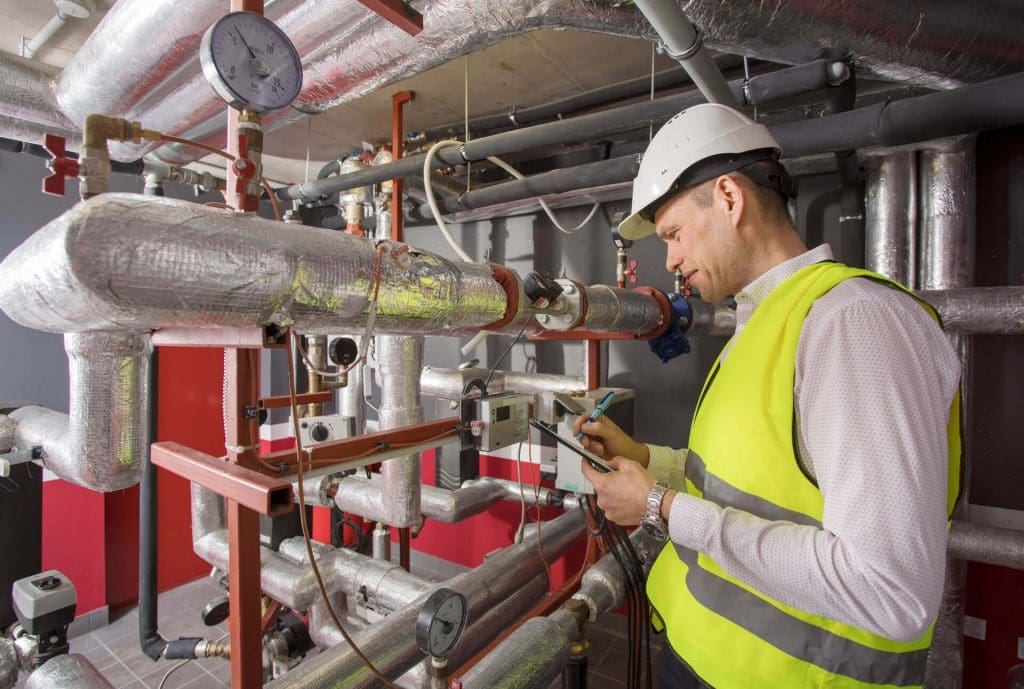
Buildings that experience reduced occupancy or inconsistent usage can face additional risks, as stagnant water allows bacteria to establish more easily.
Cooling Towers Require Particular Attention
Cooling towers present one of the highest-risk environments for Legionella growth during warm weather.
Because these systems generate aerosols and operate in temperature ranges favourable to bacterial growth, maintaining effective cooling tower water treatment is critical during the summer months.
Key controls include:
- Regular cleaning and disinfection.
• Effective chemical dosing.
• Monitoring of microbiological activity.
• Control of scale, corrosion and biofilm.
• Ongoing compliance with water hygiene regulations.
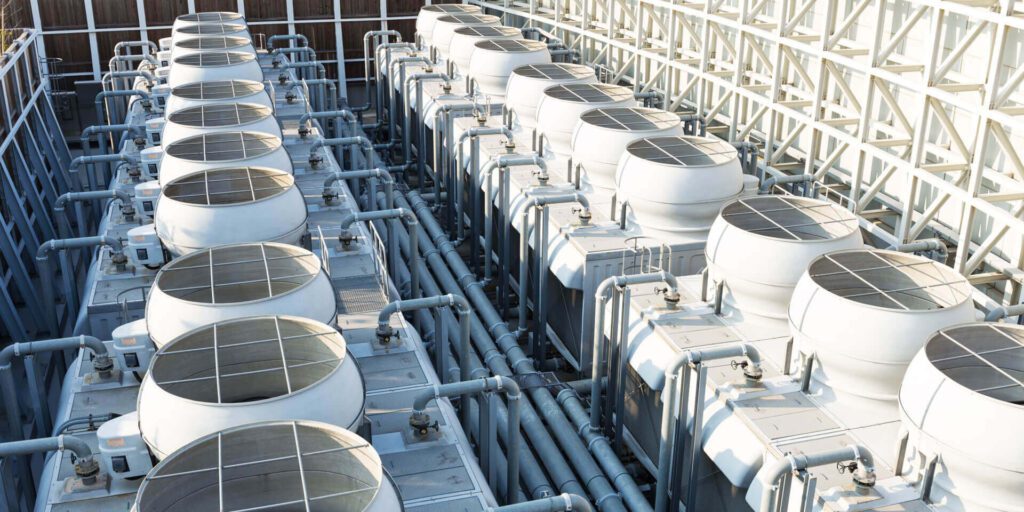
Without proper treatment, cooling towers can become a significant source of Legionella risk.
How Goodwater Helps Reduce Summer Legionella Risk
At Goodwater, we help organisations maintain safe and compliant water systems throughout the year, including during periods of elevated summer risk.
Our specialist services include:
- Legionella risk assessments.
• Water hygiene monitoring and compliance support.
• Cooling tower treatment and maintenance.
• Advanced water treatment equipment and dosing solutions.
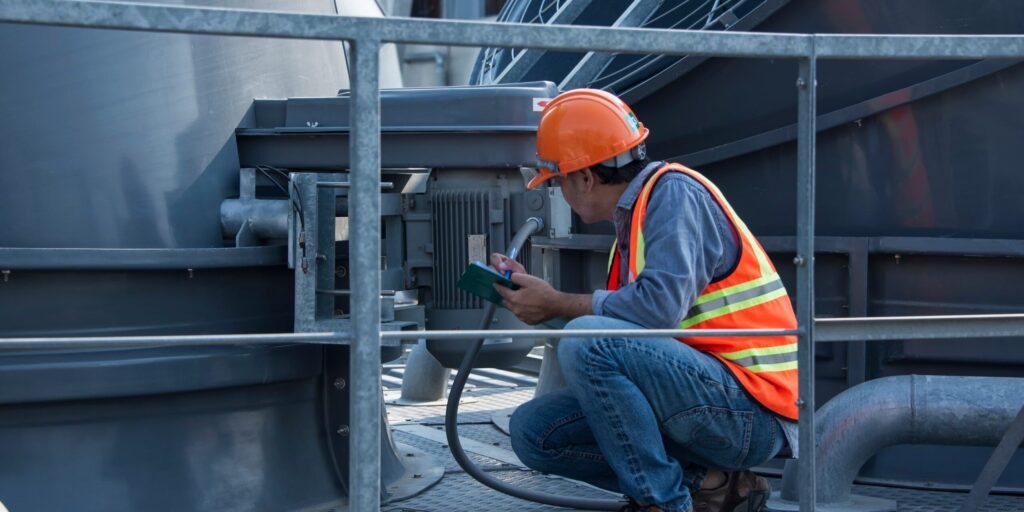
We also provide innovative treatment technologies designed to tackle bacterial growth and biofilm more effectively.
For example, Goodwater’s advanced dosing solutions, including SANIKILL monochloramine treatment, help improve bacterial control and biofilm penetration within complex water systems, supporting a more proactive approach to water hygiene management.
Prevention Is Better Than Reaction
Heatwaves may only last days or weeks, but the impact on water systems can be significant if risks are not properly managed.
A proactive summer review of your water hygiene programme can help identify vulnerabilities before they become costly compliance or health issues.
As UK summers continue to become warmer, organisations should ensure their Legionella control strategy remains robust, responsive and fit for purpose.
Need Support with Summer Water Hygiene?
If you are concerned about how rising temperatures could affect your building’s water systems, Goodwater can help.
Our expert team can assess your current water hygiene programme, identify risk areas and recommend practical solutions to improve safety, compliance and long-term system performance.
Contact us here or 0118 9735003 / info@goodwater.co.uk